

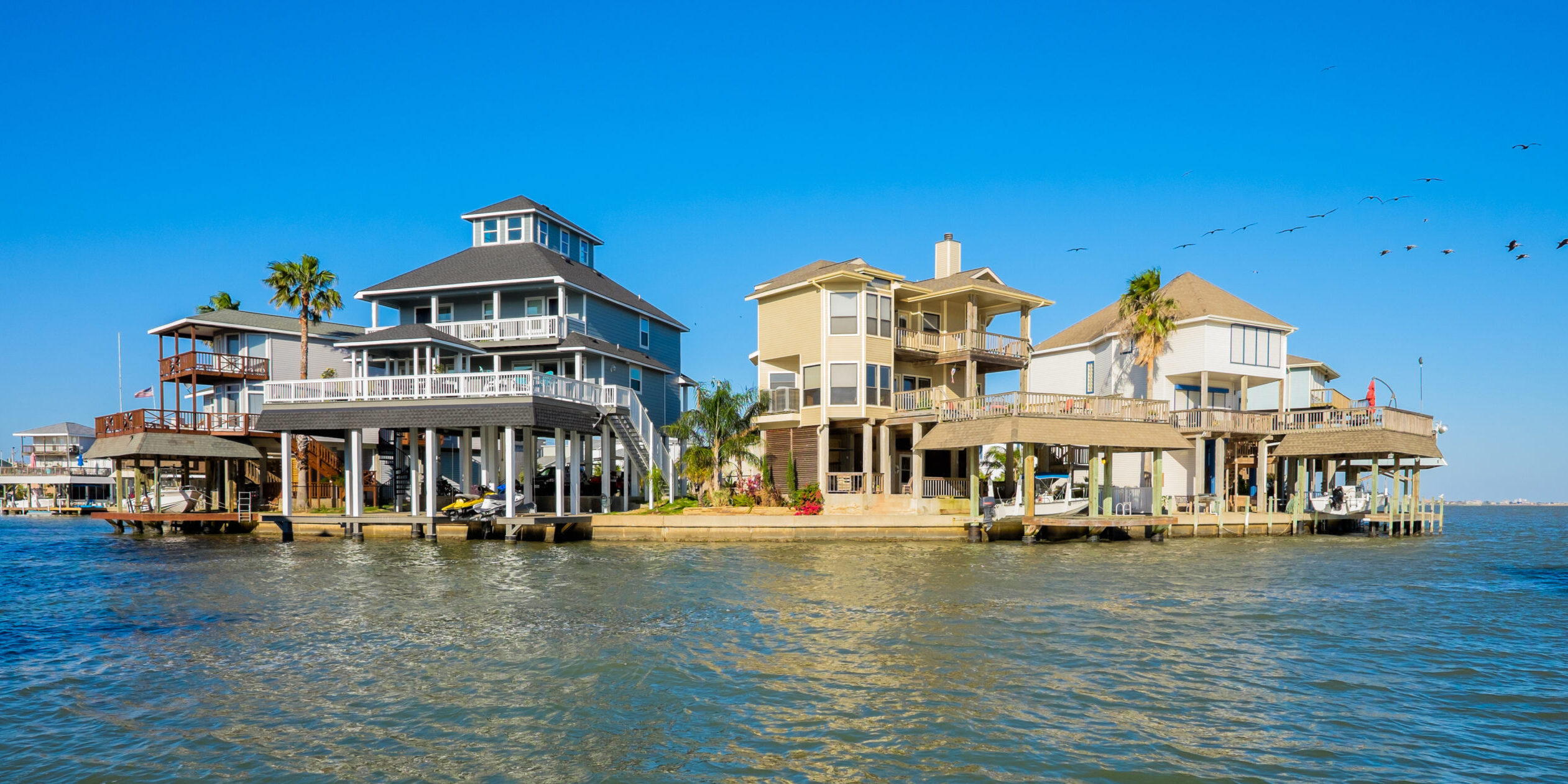
For those drawn to the water, the ideal home does more than provide a beautiful view. It makes the water part of everyday life.
A private dock can become a second front door, opening onto quiet morning cruises, spontaneous afternoons offshore, and evenings that end with the vessel tied up just steps from home. It is easy to understand why waterfront living and boating so often go hand in hand. Yet finding a property that truly supports life on the water requires looking beyond the shoreline.
Not All Waterfront Is Created Equal
Oceanfront, harborfront, canal-front, lakefront, and marina-adjacent homes may all be described as waterfront, but they can offer dramatically different boating experiences.
A property may sit directly on the water without allowing a private dock. Another may include dockage but lack sufficient depth for a larger vessel. Even neighboring homes can have different access depending on the shoreline, channel, tides, and local regulations.
For boat owners, the most important question is not simply, “Is it waterfront?” It is, “Can this property accommodate the way I want to use the water?”
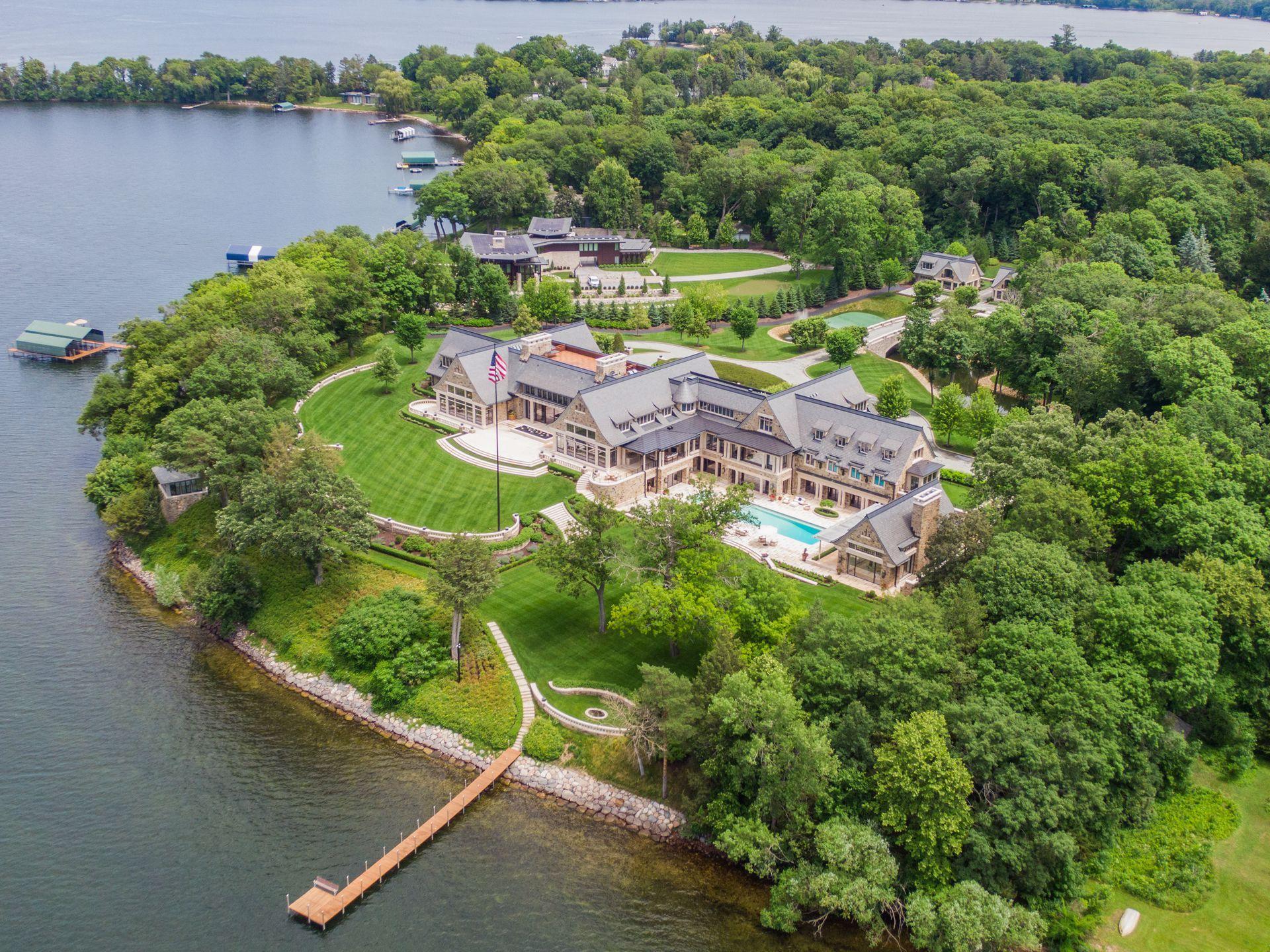
The Vessel Should Shape the Search
The right dock for a center-console boat may not work for a larger motor yacht or sailing vessel. Length, beam, draft, shore power requirements, and maneuvering room should all be considered before falling in love with a property.
Water depth is particularly important. A dock that appears perfectly usable at high tide may tell a different story at low tide. NOAA provides official tide, current, and water-level information for locations throughout the United States, but property-specific conditions should be evaluated by qualified local professionals.
Buyers should also look at the dock itself. Its dimensions, structural condition, pilings, electrical service, lifts, and exposure to wakes or weather all influence whether it is suited to the intended vessel.
The Route Matters as Much as the Dock
A yacht may fit comfortably behind the home but still face limitations on the journey to open water.
Fixed bridges can restrict vessels based on their height. Shallow channels, locks, speed-controlled waterways, narrow turns, and tidal conditions may affect when and how easily a boat can depart. NOAA’s Coast Pilot publications and nautical charts document channel conditions, water depths, bridge clearances, currents, and other navigational information, making them a valuable starting point when evaluating an unfamiliar waterway.
For some owners, a peaceful canal journey is part of the appeal. For others, spending an hour reaching the inlet could quickly make the property feel less convenient. The ideal route depends on how the vessel will actually be used.
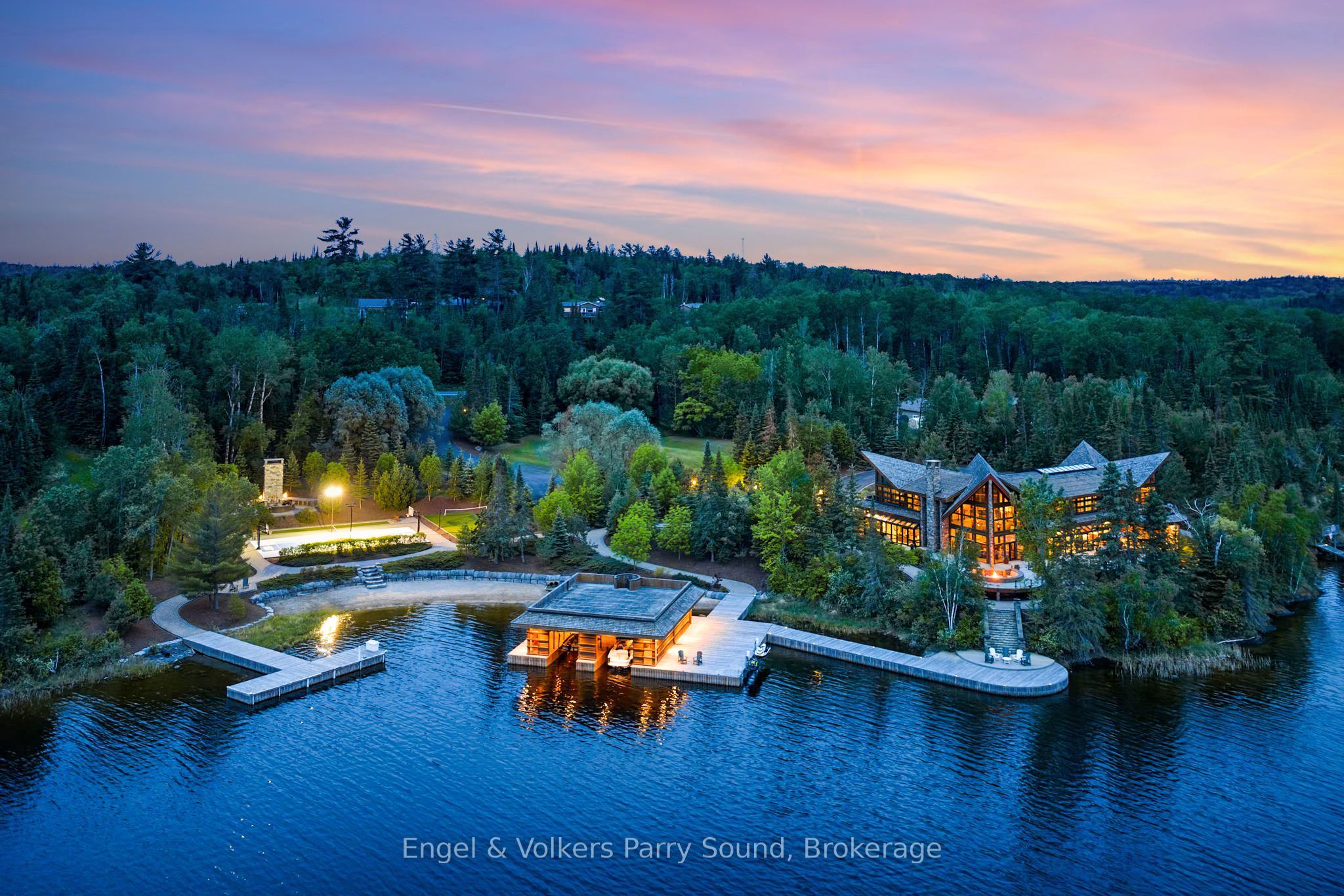
The Infrastructure Behind the Lifestyle
Private dockage brings freedom, but it also introduces another layer of ownership.
Docks, seawalls, bulkheads, and lifts require maintenance. Their repair, replacement, or expansion may be governed by local, state, and federal authorities. In the United States, structures built in or over navigable waters may require authorization under Section 10 of the Rivers and Harbors Act, while additional shoreline requirements vary significantly by location.
Buyers should confirm whether existing structures are properly permitted, whether those permissions transfer with the property, and whether future changes are possible. Flood exposure and insurance should also be reviewed early in the process. FEMA’s Flood Map Service Center provides official flood-hazard mapping, though insurance professionals and local experts can offer more property-specific guidance.
These details may not be as captivating as the sunset view, but they often determine whether waterfront ownership feels effortless or unexpectedly complicated.
Private Dock or Nearby Marina?
Keeping a yacht at home is not the only way to create a seamless connection between home and water.
A marina may offer deeper water, professional oversight, fuel, service providers, security, and greater protection during severe weather. For larger yachts, these advantages can outweigh the convenience of private dockage. Some owners prefer a home within minutes of a well-equipped marina rather than a property that attempts to accommodate every need at the shoreline.
The better choice depends on the vessel, cruising habits, local conditions, and how much of the operational responsibility the owner wants to manage at home.
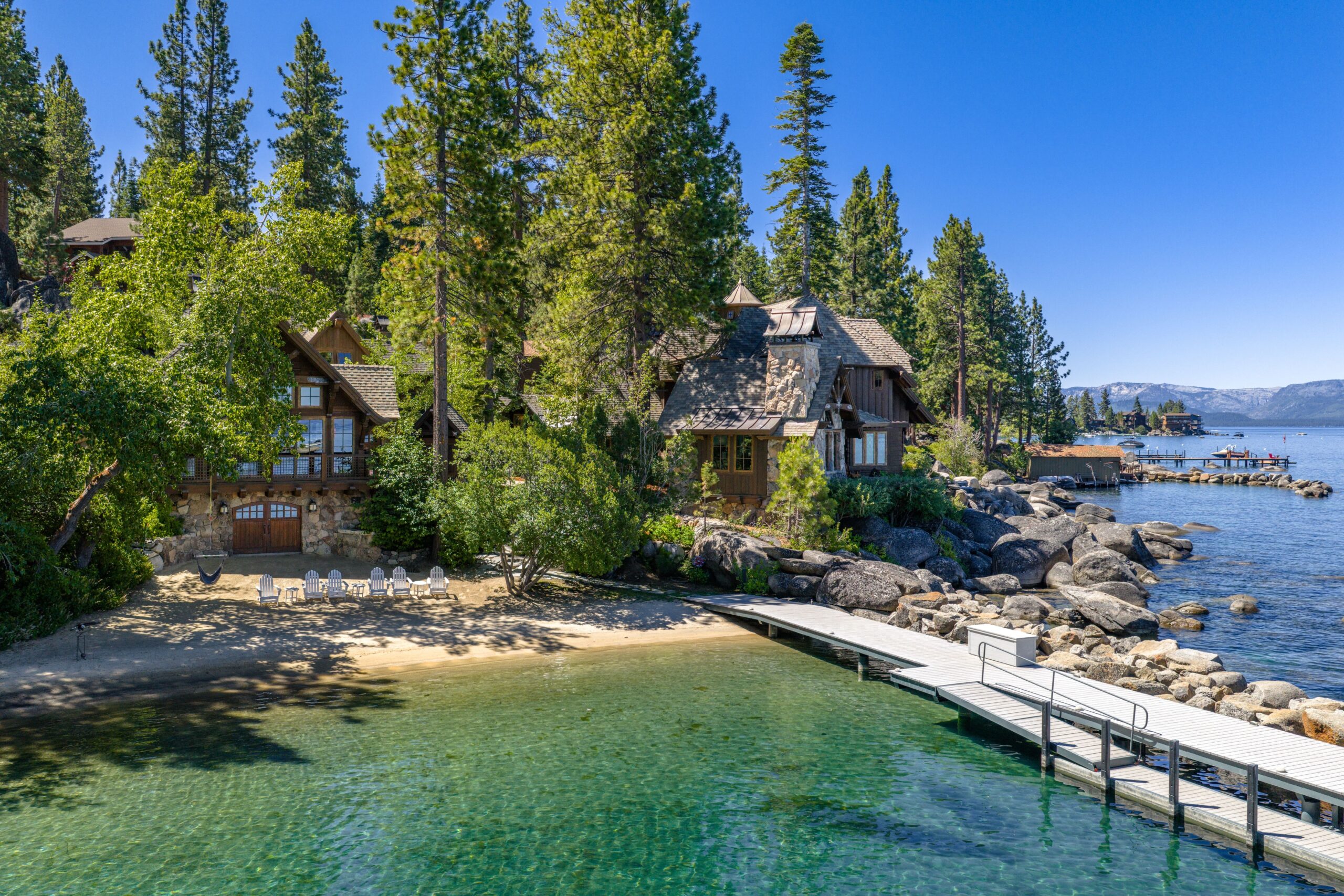
Where Home and Water Become One
The appeal of waterfront living is not limited to the view. It lies in the ease of moving between life ashore and life at sea.
The right property can transform boating from an activity that requires advance planning into a natural extension of the day. The dock becomes a gathering place, the vessel another space for entertaining, and the water a route to experiences beyond the boundaries of home.
For those considering a waterfront property, a yacht, or both, the most successful search begins with a clear understanding of how the two will work together. Because the right waterfront home does not merely frame the water. It provides a way into it.
Frequently Asked Questions
What makes a waterfront property suitable for a yacht?
Suitability depends on the yacht’s length, beam, draft, height, power requirements, and maneuvering needs. Water depth, dock dimensions, tides, bridge clearances, and the route to open water should all be evaluated.
What does deep-water access mean?
Deep-water access generally means that a waterway can accommodate the intended vessel at relevant tide or water levels. It is not a universal measurement, so buyers should verify actual depths against the draft of their vessel.
Is a private dock better than keeping a yacht at a marina?
A private dock offers convenience and immediate access. A marina may provide deeper water, services, security, fuel, and professional support. The best option depends on the vessel and the owner’s priorities.