
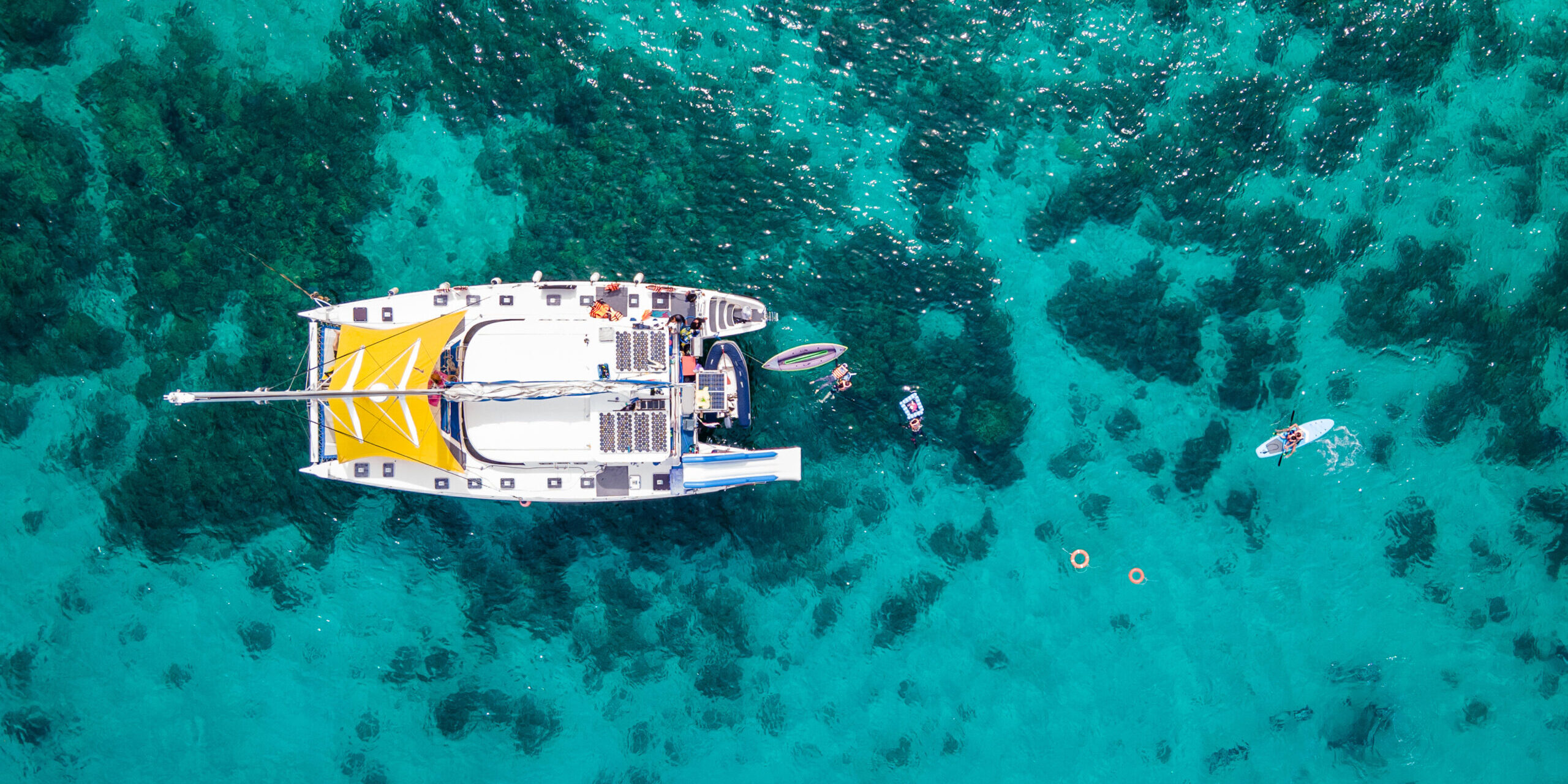
Across the boating and yachting world, sustainability is becoming part of how people think about ownership, design, operation, and enjoyment on the water.
Yachting has always been tied to freedom: the ability to move across open water, reach new coastlines, and experience a destination from an entirely different perspective. Increasingly, however, the future of that freedom is being shaped by a new priority: sustainability.
Across the boating and yachting world, owners, buyers, builders, charter guests, and marine professionals are paying closer attention to how time on the water can be more efficient, more thoughtful, and more respectful of the environments that make the lifestyle possible.
This shift is not limited to the superyacht sector. It is showing up across vessel sizes and ownership styles, from electric dayboats and hybrid cruising yachts to marina operations, onboard systems, materials, and maintenance practices.
Why it matters: Sustainable yachting is not about giving up comfort, performance, or design. It is about rethinking how those qualities are delivered.
A Broader Shift on the Water
For many boaters, sustainability is becoming part of the ownership conversation because the water itself is central to the experience. Clean coastlines, healthy marine ecosystems, quiet anchorages, and protected cruising grounds are not abstract environmental ideas. They are the very settings that make boating and yachting meaningful.
That connection is helping move sustainability from a niche concern to a practical consideration. Owners may be asking about fuel efficiency, electric tenders, quieter propulsion, responsible materials, waste systems, solar support, battery capacity, or more efficient onboard technology.
Charter guests may be more aware of how vessels operate in sensitive destinations. Builders and designers are responding with new approaches to propulsion, hull design, energy management, and material selection.
The result is not a single movement, but a series of changes happening across the marine industry. Some are highly technical. Others are simple shifts in behavior. Together, they point toward a future where enjoying the water and protecting it are no longer treated as separate priorities.
Efficiency Is Becoming Part of the Ownership Conversation
One of the clearest signs of change is the growing interest in electric and hybrid-electric boating. While adoption varies by vessel size, cruising range, infrastructure, and use case, the market direction is clear. Recent industry forecasts project meaningful growth in electric boats over the next decade, driven by advances in battery technology, evolving environmental regulations, and increased interest in lower-emission marine transportation.
For many boaters, the appeal is not only environmental. Electric and hybrid systems can also offer quieter cruising, reduced fuel consumption, lower onboard vibration, and a more seamless experience on the water.
For shorter trips, harbor cruising, lake use, tenders, and certain dayboat applications, electric propulsion is becoming increasingly relevant. For larger vessels, hybrid systems can help reduce generator use, improve operational efficiency, and support more flexible energy management.
The practical reality is important. Not every vessel, route, or owner profile is ready for full electrification. Range, charging infrastructure, performance expectations, and cost still matter. But sustainability in yachting does not require an all-or-nothing approach.
What to watch: Progress can come through more efficient systems, better operations, thoughtful upgrades, and technologies that reduce impact where they make sense.
From Good Intentions to Measurable Progress
As sustainability becomes more visible in the marine world, measurement is becoming more important. Broad claims about being “eco-friendly” are no longer enough. Owners, buyers, and industry professionals are increasingly looking for clearer ways to evaluate performance, efficiency, and environmental impact.
One example is the Yacht Environmental Transparency Index, known as YETI, developed by the Water Revolution Foundation. While originally focused on superyachts, its significance reaches beyond one segment of the industry. It reflects a larger shift toward accountability: measuring environmental performance, comparing vessels more consistently, and identifying opportunities for improvement.
That kind of framework matters because sustainable yachting is complex. A vessel’s impact is shaped by how it is built, how it is powered, how often it is used, how efficiently it operates, what materials are selected, how waste is managed, and how owners and crew make decisions over time.
The more the industry can measure, the more it can move beyond vague language and toward meaningful progress.
Design, Materials, and the Onboard Experience
Sustainability is also reshaping the way vessels are designed and experienced. In some cases, that means advanced propulsion or alternative fuels. In others, it means lighter materials, more efficient hull forms, better insulation, smarter climate control, LED lighting, solar integration, improved battery systems, or onboard technology that reduces unnecessary energy use.
Materials are part of the conversation as well. Designers and builders are exploring recycled, reclaimed, regenerated, and responsibly sourced options in everything from textiles to decking alternatives. The goal is not to make boats feel less refined. In many cases, it is the opposite.
The most successful examples of sustainable design feel thoughtful, modern, and deeply aligned with the natural setting around them.
The onboard benefit: Quieter cruising, less vibration, cleaner operation, and more efficient systems can make time on the water feel calmer and more connected. Sustainability, when done well, does not compete with the yachting experience. It enhances it.
The Future Is Practical, Not Perfect
The future of sustainable yachting will not be defined by one technology or one type of vessel. It will likely be shaped by many decisions working together: cleaner propulsion, smarter systems, better materials, responsible marina infrastructure, improved maintenance practices, and more informed ownership.
It is also important to be honest. Yachting is not yet fully sustainable, and the industry still has meaningful challenges to address. Large vessels, long-range cruising, manufacturing impacts, fuel use, and infrastructure limitations all remain part of the conversation.
But progress does not require perfection. It requires continued innovation, better information, and a willingness to make more thoughtful choices.
For those who love life on the water, sustainability is not a passing trend. It is becoming part of how the next generation of boating and yachting will be designed, purchased, operated, and enjoyed.
At its best, sustainable yachting is not about less freedom. It is about preserving the freedom that has always made the water so compelling in the first place.