

Why Tech Leaders Are Turning to Yachting
For Tech Leaders, Yachting Offers the Rarest Luxury: Distance
Recent coverage of Mark Zuckerberg’s superyacht reignited a familiar public conversation around billionaires, visibility, and excess. Headlines focused on cost, scale, design, and exclusivity, prompting the usual debate around wealth and status. Yet the growing relationship between the technology sector and yachting is more interesting than the headlines suggest.
For many founders, entrepreneurs, and technology executives, yachting may have less to do with being seen and more to do with getting away. In a world defined by constant connectivity, public exposure, and demanding schedules, the ability to create distance has become increasingly valuable. A yacht offers something few other assets can: privacy, mobility, and control over one’s environment, all while allowing owners to travel, gather, and spend time with family and guests on their own terms.
Public fascination with yacht ownership often centers on what is visible. The vessel’s length, amenities, design, and price tag tend to dominate the conversation. Less attention is paid to what ownership actually provides: the freedom to move between destinations without being tied to a single location, a fixed itinerary, or a shared hospitality environment.
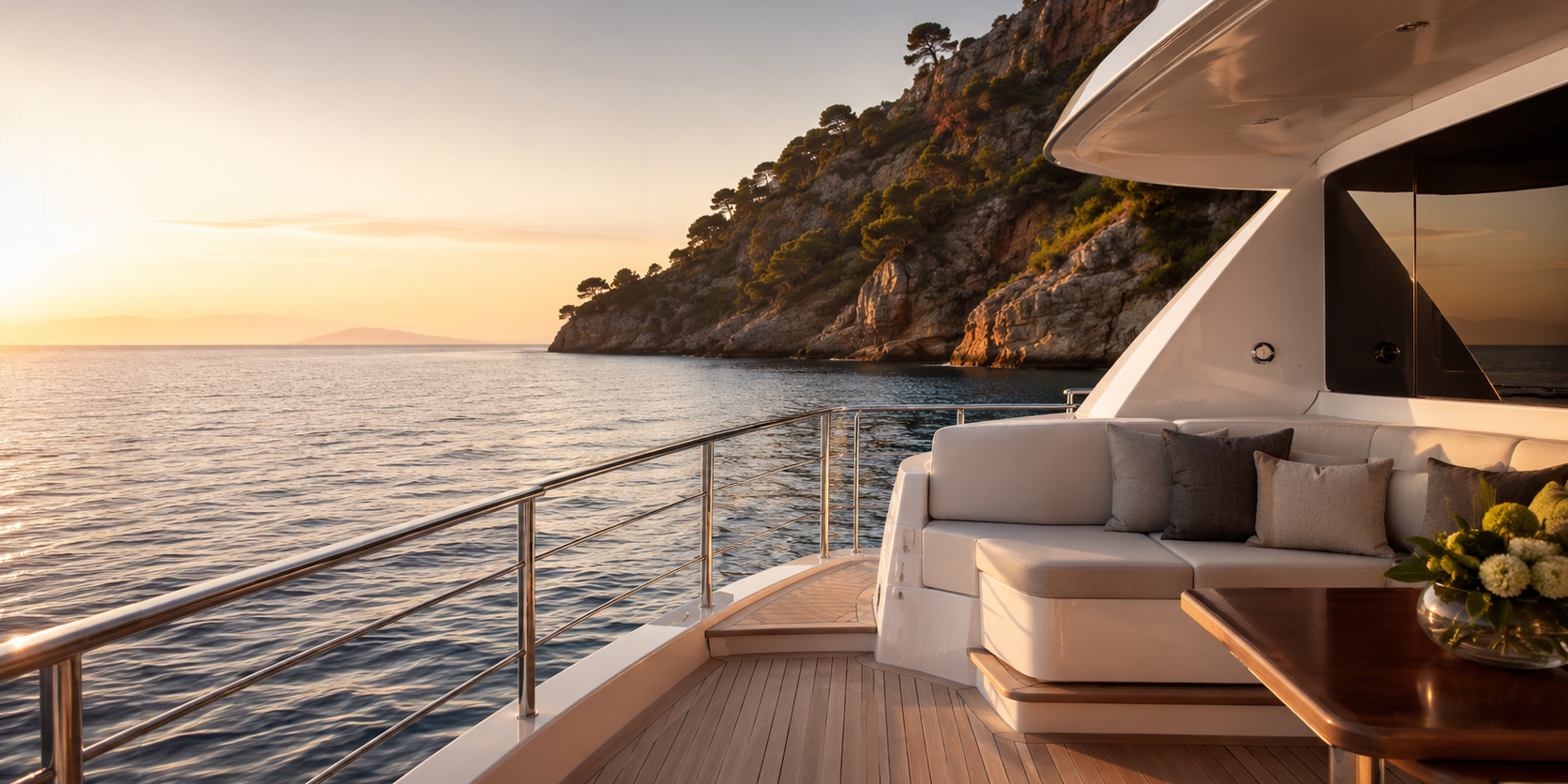
Unlike a vacation home, a yacht is not anchored to one place. Unlike a luxury resort, it is not shared with hundreds of other guests. Owners can move between coastlines, spend time in more remote destinations, and create a private setting that travels with them. For individuals whose lives are often highly scheduled, highly visible, and highly scrutinized, that level of flexibility has become its own form of luxury.
Privacy has also taken on new meaning. Social media, digital tracking, and public visibility have made true separation increasingly difficult, especially for high-profile figures whose movements and purchases often become public conversation. In that context, yachting offers something rare: the ability to disconnect without sacrificing comfort, service, or access to the places one wants to experience.
It also reflects a different approach to travel. Traditional luxury travel often begins with a destination. Yachting places equal emphasis on the journey itself. Time on the water creates room for spontaneity, quiet, and movement without crowded terminals, rigid check-in times, or the limitations of a single address. A yacht can function as transportation, accommodation, and private retreat in one, offering a level of freedom that few other assets can match.
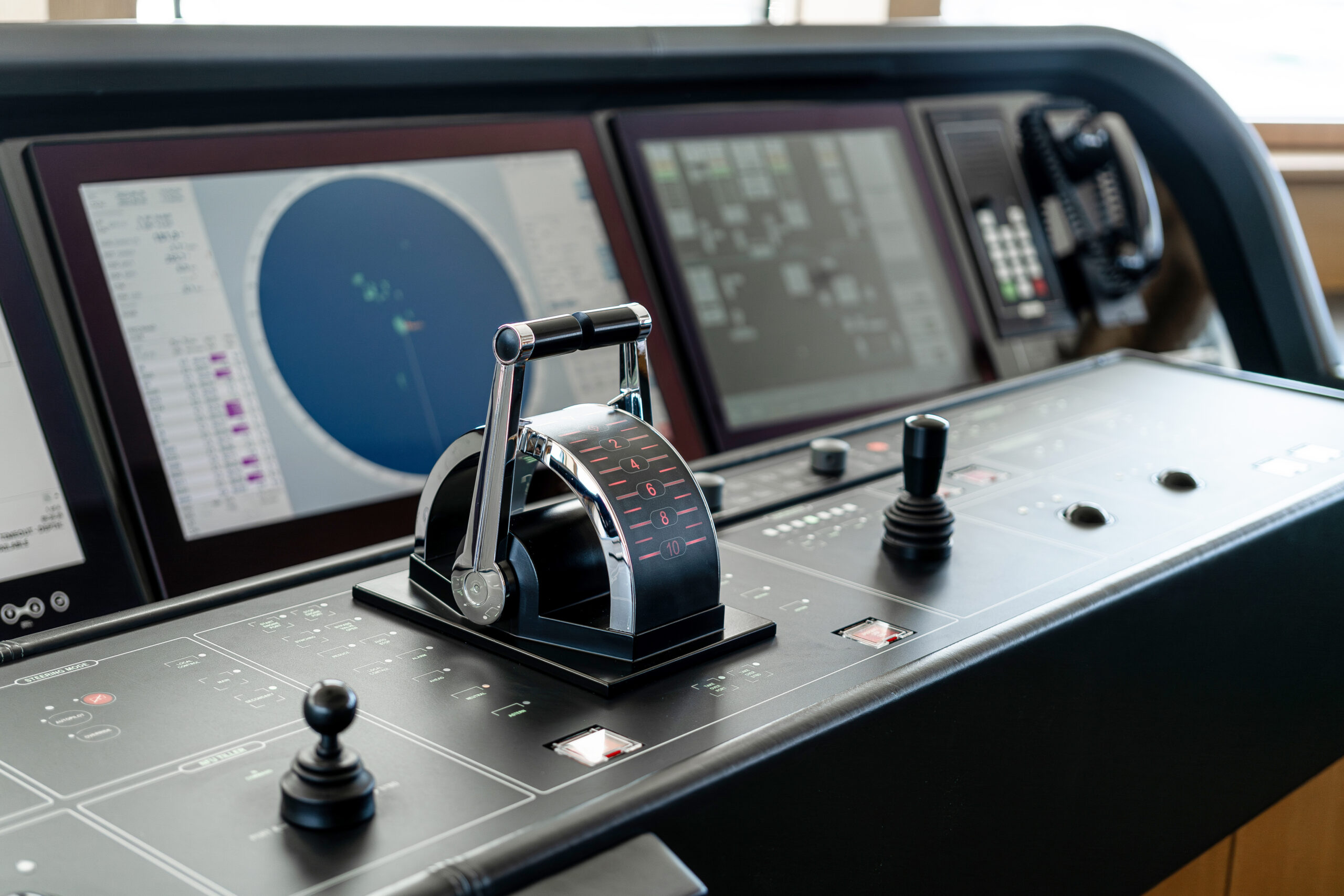
For technology leaders, there may also be a natural appreciation for the engineering behind modern yachts. Today’s vessels often incorporate advanced navigation systems, hybrid propulsion technologies, sophisticated automation, onboard connectivity, and increasingly thoughtful approaches to sustainability. The yachting industry continues to evolve through innovation in design, construction, performance, and environmental responsibility. For individuals who have built careers around transformation and technology, that evolution can be compelling in its own right.
Viewed through this lens, the growing presence of technology leaders in the yachting world feels less like a fleeting trend and more like a reflection of changing priorities. Increasingly, luxury is being defined not by visibility, but by freedom: the freedom to choose where to go, how to spend time, and with whom to share it.
The vessels themselves may attract attention, but the deeper appeal is quieter. In an increasingly connected world, yachting offers something many people rarely experience: the ability to step away.