
Some coastlines are easy to appreciate from land. Others are better understood from the water.
For the yachting traveler, the advantage is not simply mobility. It is access: to quieter anchorages, private coves, waterfront villages, remote beach clubs, and homes designed with the water as their front door. A boat changes the experience from a fixed destination into a living coastline, where timing, privacy, and perspective become part of the luxury.
From the Exumas to the Amalfi Coast and the San Juan Islands, these seven destinations are not just beautiful by boat. In many cases, they make more sense that way.
1. The Exumas, Bahamas
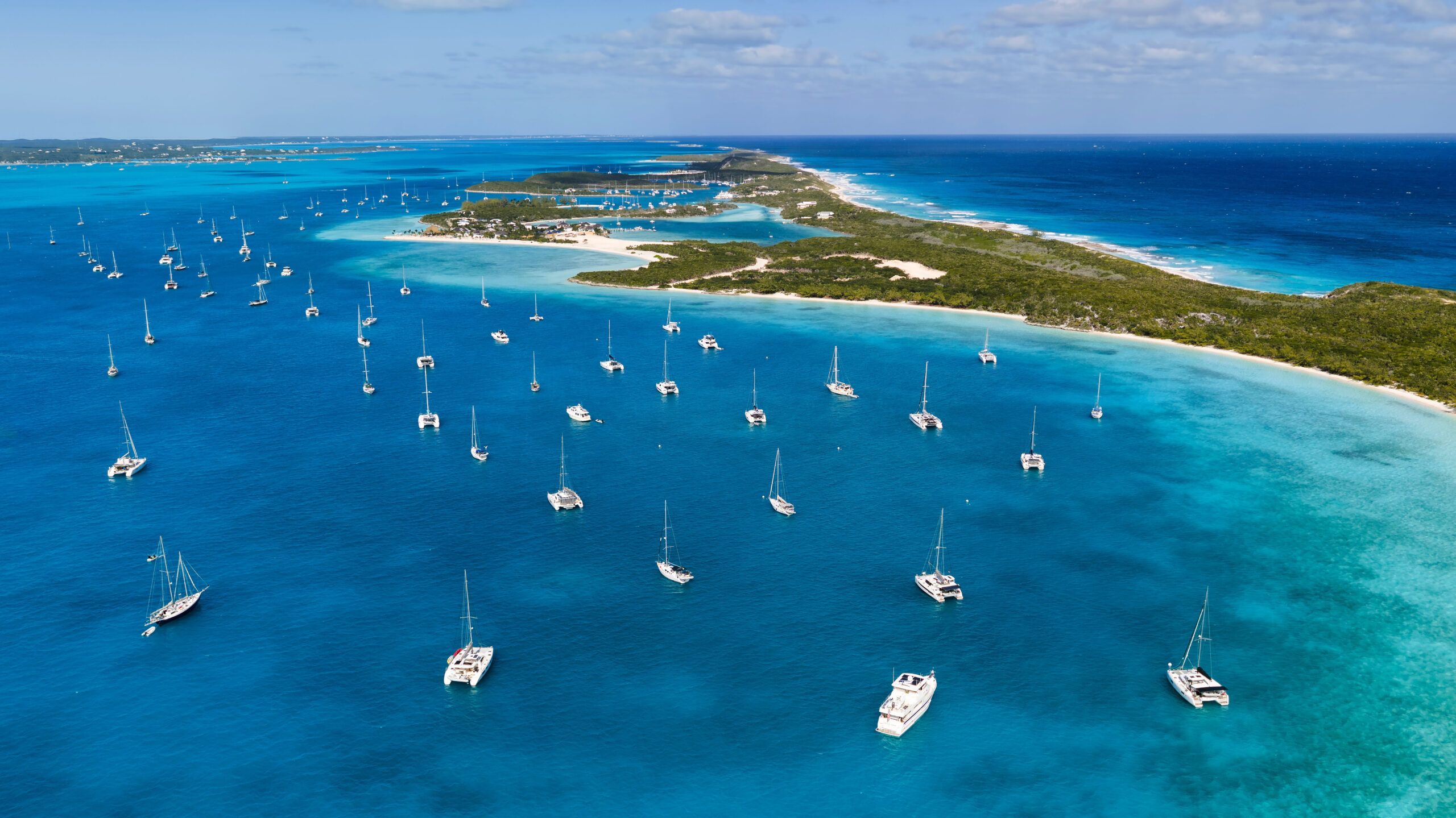
The Exumas may be the clearest example of a destination where the boat is not an amenity. It is the point.
Spread across hundreds of cays and islands, this part of The Bahamas is defined by movement: from sandbars and secluded beaches to private-island resorts, protected anchorages, and shallow turquoise water that seems designed for slow exploration. Some of the region’s most recognizable experiences are reached by boat, but the real appeal is less about checking off a stop and more about setting the pace yourself.
Why it works by water: The Exumas reward flexibility. Tides, conditions, mood, and company can shape the day. A morning swim, a long lunch, a quiet beach stop, and an evening anchorage can all unfold without the structure of a resort itinerary. That sense of ease is difficult to manufacture from land.
What sets it apart is the way access shapes the entire lifestyle. For waterfront homeowners, charter clients, and yachting travelers, proximity to the water is only part of the equation. The greater luxury is being able to move through it with privacy, intention, and almost no separation between the home, the boat, and the sea.
Best for: island-hopping, private beaches, shallow cruising, and barefoot luxury.
2. Amalfi Coast, Italy
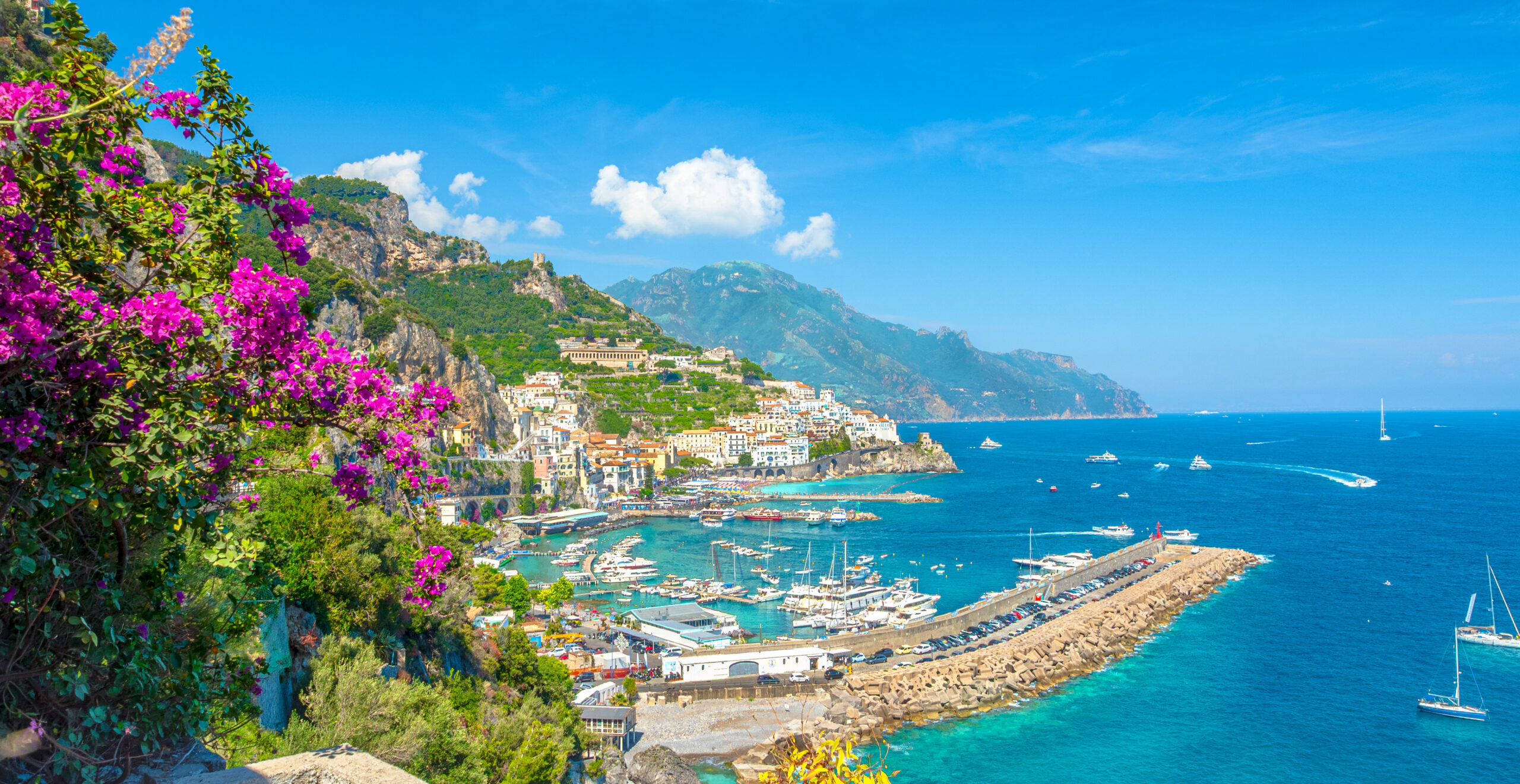
The Amalfi Coast is famous from land, but it is often better from the water.
From the road, the experience can be crowded, narrow, and highly choreographed. By boat, the same coastline becomes more legible. The villages appear in context, stacked into the cliffs rather than pressed against traffic. The beach clubs, coves, and waterfront restaurants feel less like destinations to reach and more like part of a larger coastal rhythm.
Why it works by water: A boat gives the Amalfi Coast its breathing room back. It allows travelers to move between Positano, Amalfi, Nerano, Capri, and smaller coastal stops without surrendering the day to roads and logistics. More importantly, it restores perspective. The drama of Amalfi is not just in the villages themselves, but in how they meet the sea.
For those drawn to coastal property, Amalfi is also a study in the value of access. A view may capture attention, but the true distinction is how naturally a home connects to the water, the marina, the village, and the rituals of daily life. Here, the most desirable addresses are not simply seen. They are approached.
Best for: coastal dining, cliffside views, beach clubs, and arriving with a little more grace.
3. British Virgin Islands
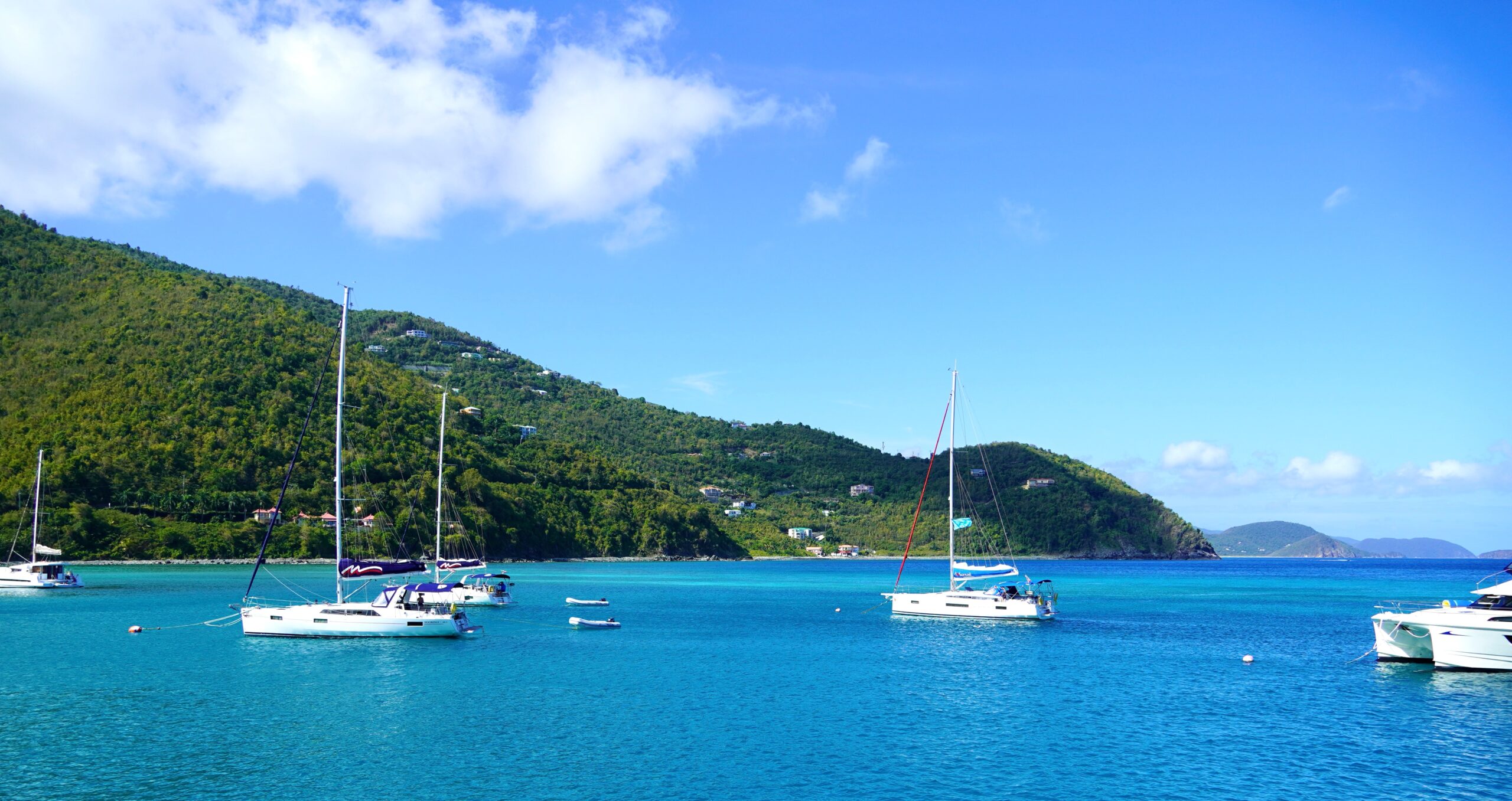
The British Virgin Islands are built for boating in a way few destinations are.
With a network of islands, protected waters, and a long-established sailing culture, the BVI offers the rare combination of variety and ease. One day can move from a quiet anchorage to a beach bar, from snorkeling to dinner ashore, from open water to a protected overnight stop. Nothing feels overly complicated, which is exactly the point.
Why it works by water: The geography does most of the work. Islands sit close enough together to make movement feel natural, while still offering enough variation to keep each stop distinct. By boat, the BVI becomes less of a single destination and more of a private itinerary.
That flexibility is what gives the BVI its lasting appeal. For second-home owners, charter clients, and those who think of travel as a lifestyle rather than a pause from real life, the destination offers choice without excess friction. The day can be social or secluded, polished or unplanned, depending entirely on how one wants to move through it.
Best for: sailing, charter itineraries, protected anchorages, and easy island-hopping.
4. Croatia’s Dalmatian Coast
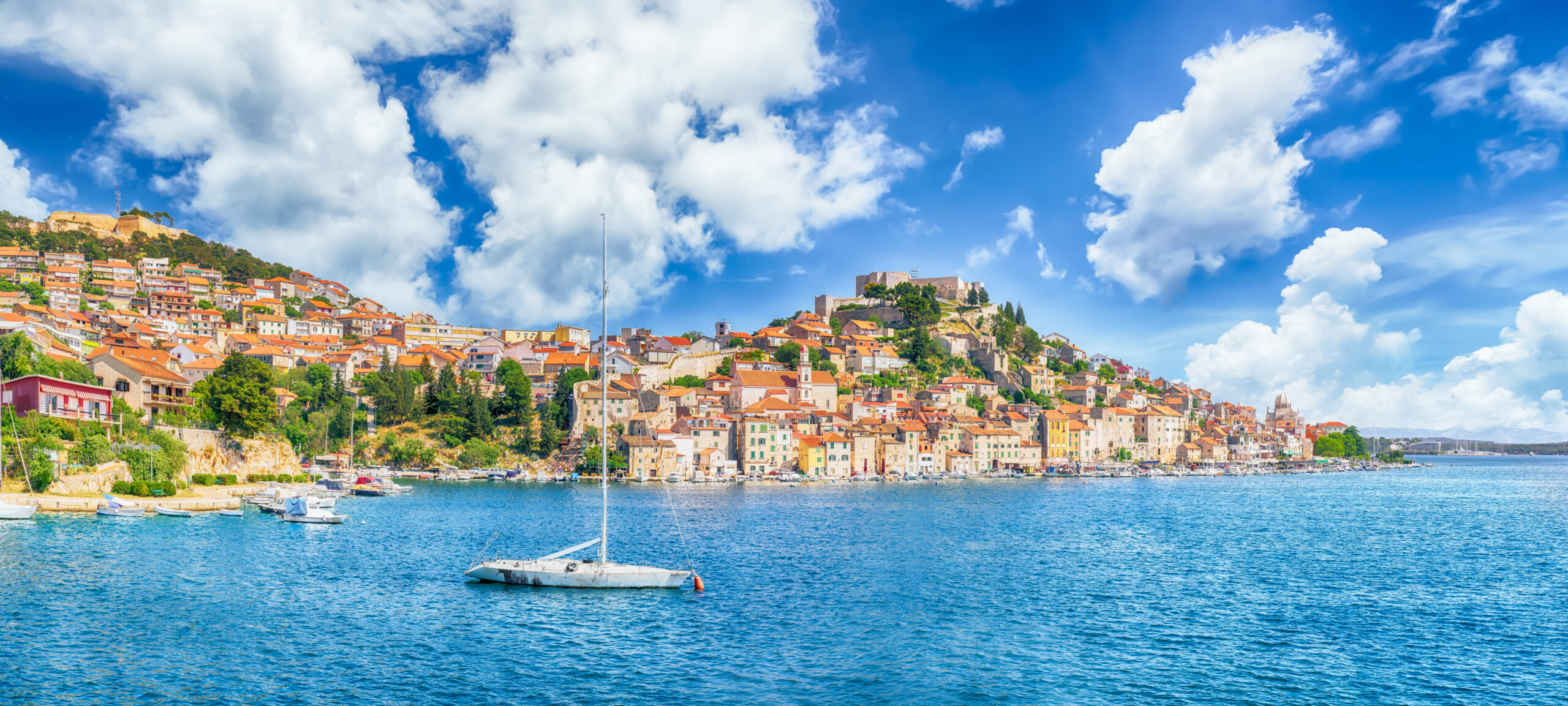
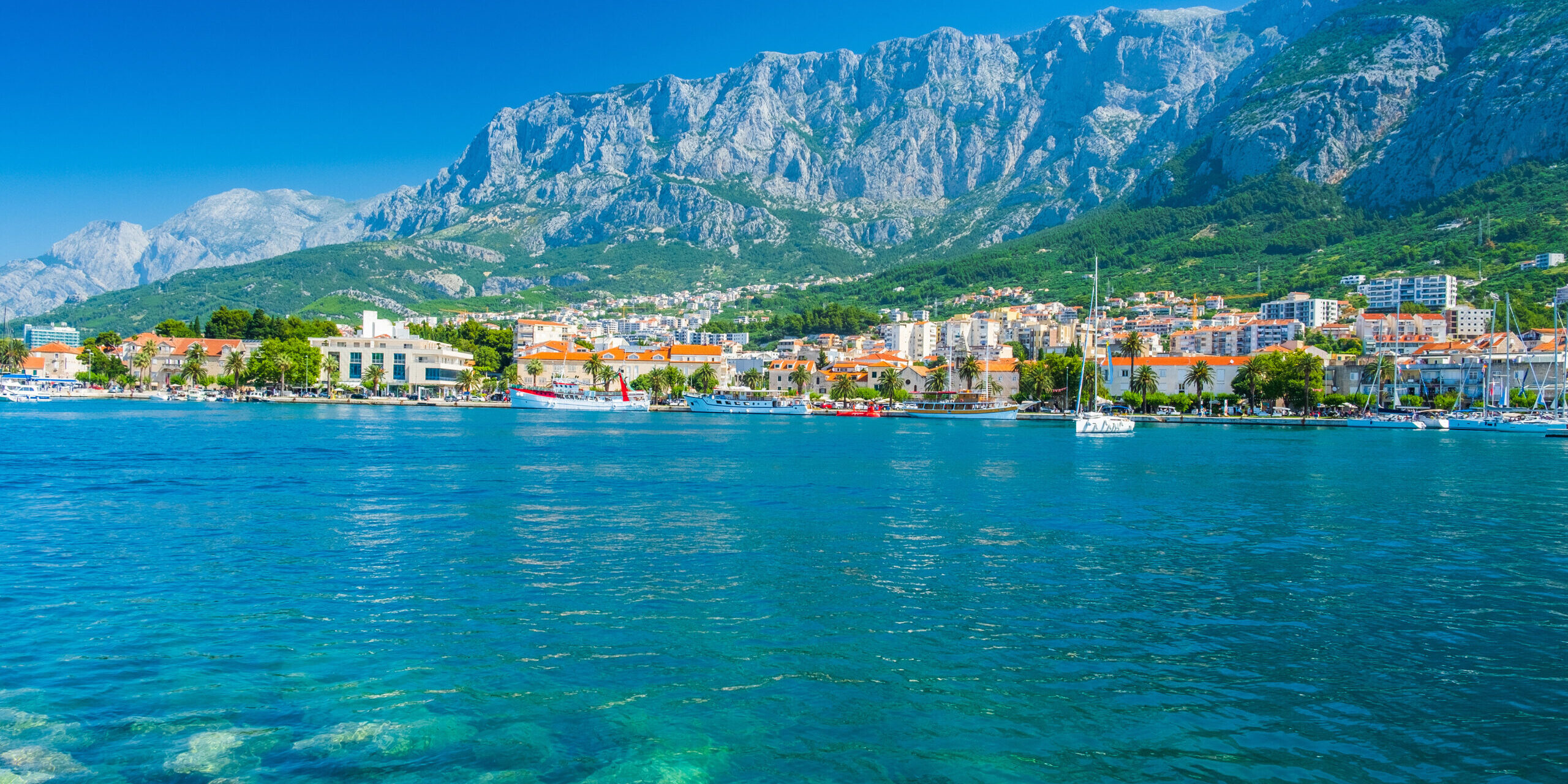
Croatia’s Dalmatian Coast gives the Adriatic one of its strongest arguments for being explored by water.
From Split, the coastline opens into a network of islands and historic ports, including Hvar, Vis, Brač, Korčula, and smaller islets that are difficult to appreciate in isolation. The pleasure is in the sequence: a morning swim, a stone village, a harbor lunch, a late arrival into an island town, and the sense that each stop belongs to a much older maritime story.
Why it works by water: The Dalmatian Coast is naturally connective. Its islands, channels, and harbors create an itinerary that feels layered, but still manageable. By boat, travelers can move beyond the most familiar stops and experience the region as sailors have for centuries: from the water inward.
For coastal buyers and travelers, Dalmatia offers something increasingly valued in luxury markets: depth. The appeal is not only the water, but the relationship between architecture, history, food, boating culture, and access. It is a destination where the marina and the old town still speak to each other.
Best for: Adriatic island-hopping, historic ports, culinary stops, and heritage-rich coastal living.
5. Sardinia’s Costa Smeralda and La Maddalena, Italy
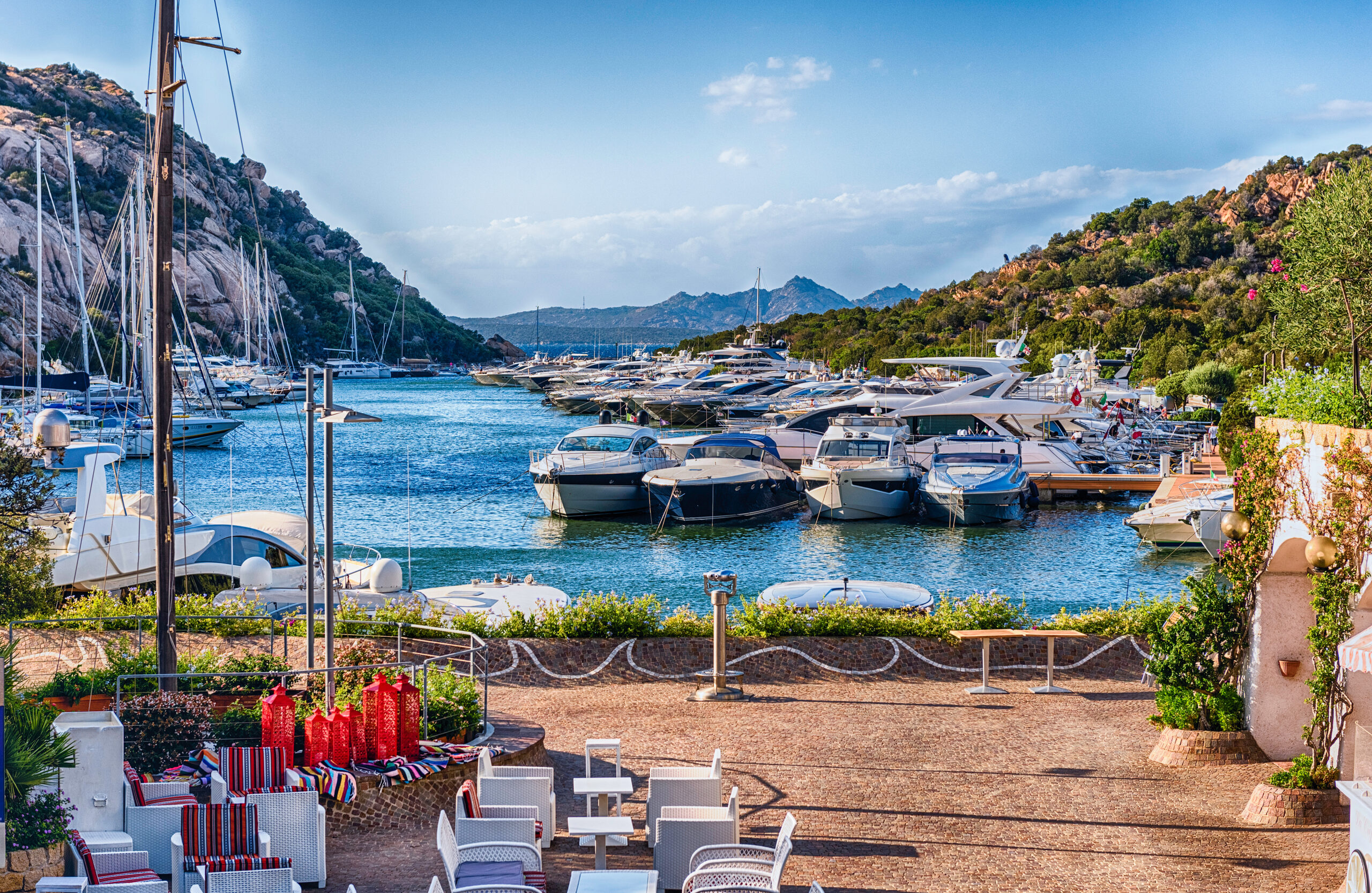
Sardinia has long understood the relationship between discretion and luxury.
Along the Costa Smeralda and through the La Maddalena archipelago, the water is not simply a backdrop. It is the organizing principle. This is a coastline of protected marine areas, sculptural rock formations, hidden coves, and anchorages that feel intentionally removed from the pace of mainland Europe.
Why it works by water: Sardinia is about controlled access. The most memorable parts of the coastline are not always the most visible from land. By boat, the destination becomes quieter, more private, and more elemental: water, stone, wind, and the occasional perfect lunch.
Sardinia’s appeal is not loud, and that is part of its power. For those who value privacy, the best experiences here are not necessarily the most photographed. They are the ones that understand restraint, space, and the luxury of being slightly apart.
Best for: privacy, protected waters, refined coastal living, and understated European glamour.
6. The Greek Islands Beyond the Obvious
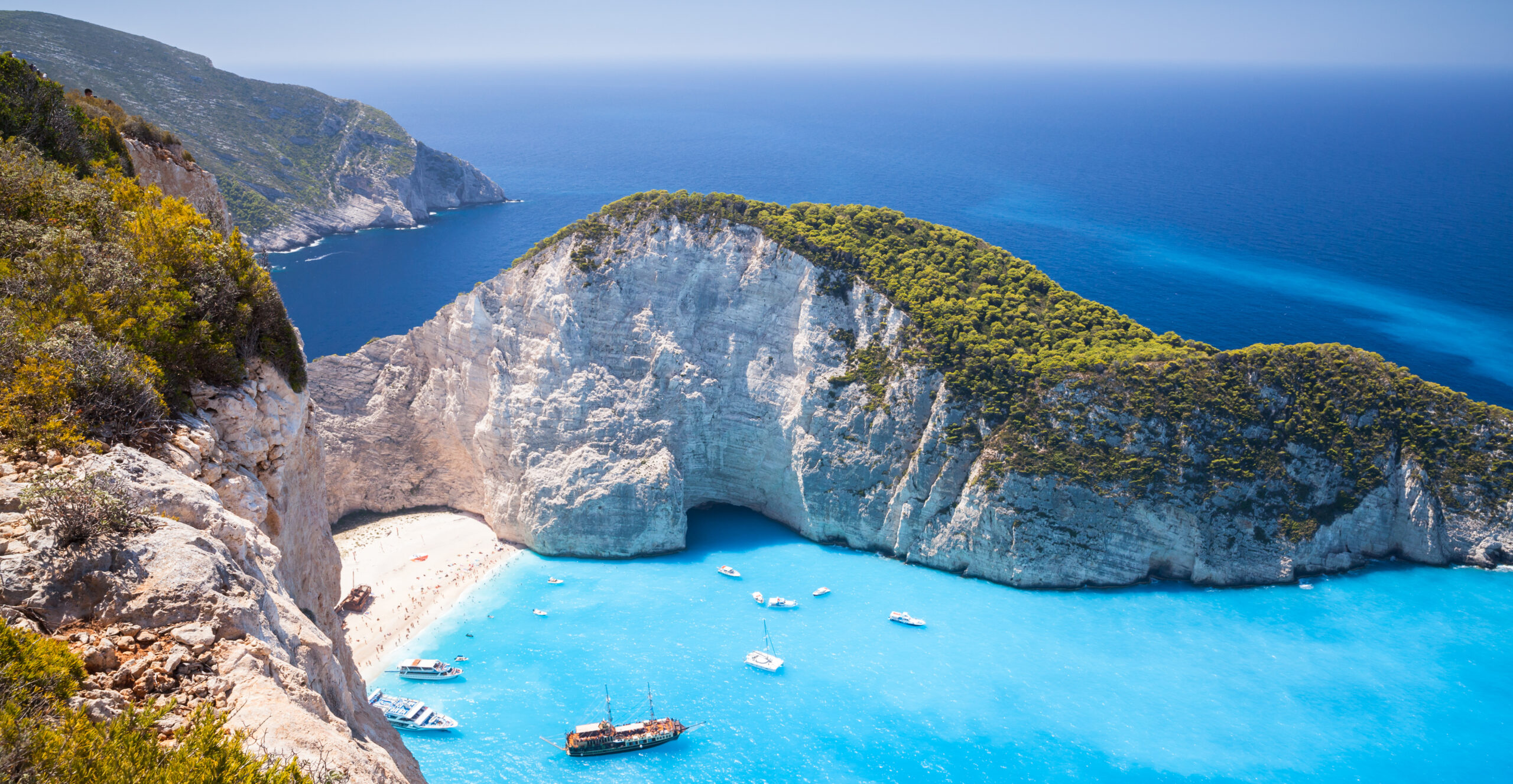
Greece is often reduced to a handful of familiar names, but the yachting traveler knows better.
Beyond Mykonos and Santorini, the Cyclades and Dodecanese offer a more nuanced way to experience the Aegean. Islands such as Milos, Paros, Patmos, Symi, and Leros each bring a different texture: volcanic beaches, whitewashed harbor towns, spiritual history, quiet coves, neoclassical waterfronts, and a slower kind of beauty that rewards movement.
Why it works by water: The Greek islands are not meant to be understood one at a time. Their appeal is cumulative. A boat allows travelers to move between contrast: lively and quiet, polished and untouched, historic and elemental. The result is a more personal version of Greece than the one built around a single hotel stay.
For global travelers and second-home buyers, Greece speaks to the modern coastal mindset: not just ownership in a destination, but access to a region. A well-positioned island property, marina proximity, or charter base can turn one home into the beginning of a much larger lifestyle.
Best for: Aegean cruising, island variety, quiet coves, and destinations beyond the expected.
7. San Juan Islands, Washington
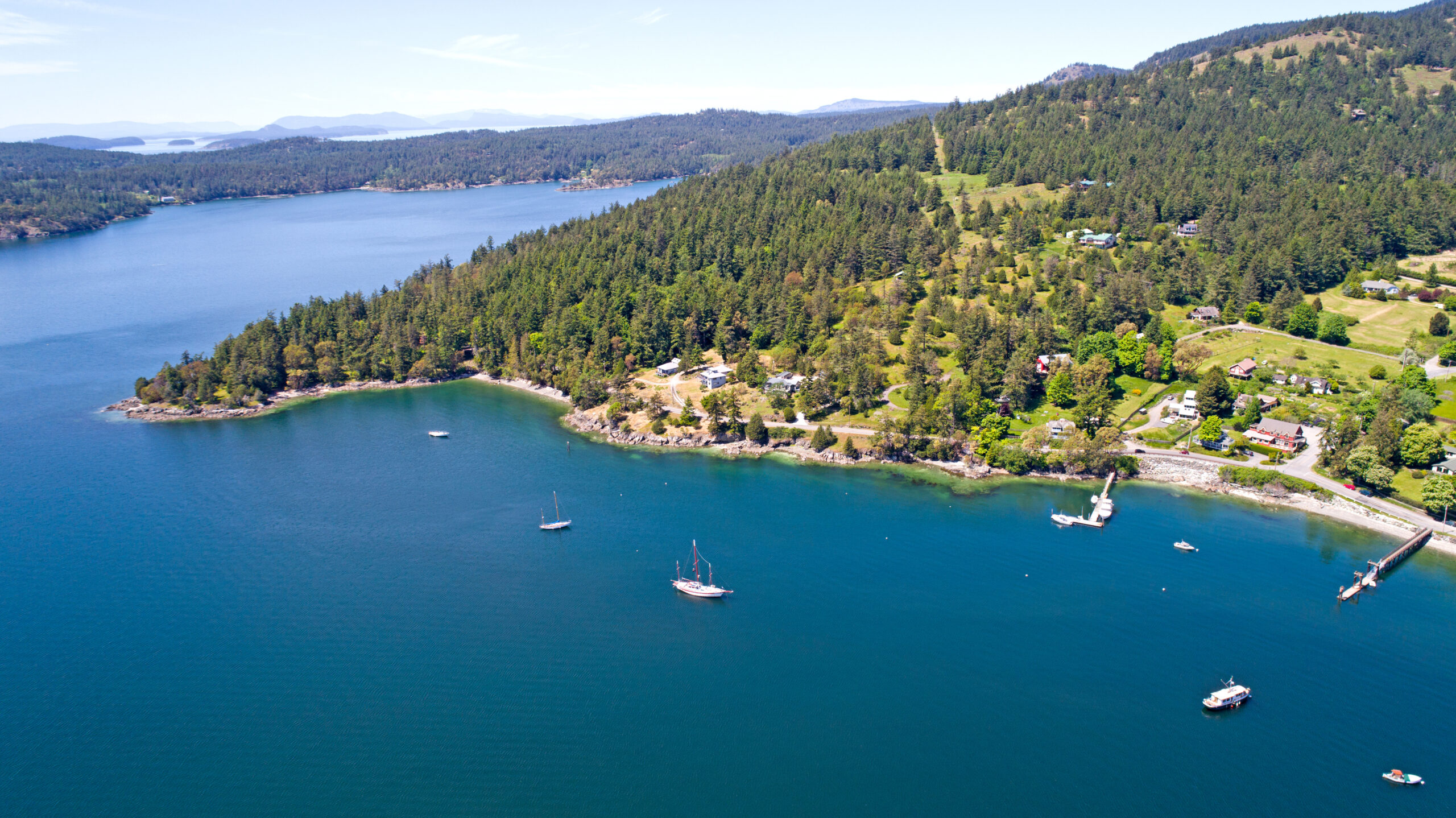
The San Juan Islands offer a different kind of boating luxury.
This is not the Mediterranean version of coastal glamour, and that is exactly why it belongs on the list. Set within the Salish Sea, the San Juans are defined by forested shorelines, marinas, wildlife, protected passages, and a quieter relationship with the water. The experience is less about spectacle and more about pace.
Why it works by water: The islands are close enough to feel connected, but distinct enough to make every crossing matter. Arriving by boat gives the San Juans their proper scale. Friday Harbor, Roche Harbor, Orcas, Lopez, and the smaller surrounding islands feel less like separate stops and more like a living maritime community.
For Pacific Northwest buyers, the San Juans represent a more grounded expression of waterfront living. Privacy, nature, boating access, and proximity to Seattle can coexist without the atmosphere of a traditional resort market. It is coastal ownership for those who value quiet over flash.
Best for: Pacific Northwest boating, wildlife, quiet harbors, and refined low-key waterfront living.
The Real Luxury Is Access
The best coastal destinations are not always the ones with the most famous beaches or the most photographed views. They are the ones where the water changes the experience.
For yachting travelers, coastal homeowners, and second-home buyers, that distinction matters. A boat offers more than movement. It offers timing, privacy, perspective, and access to places that land-based travel often misses.
Some coastlines are meant to be admired from shore. Others are meant to be entered from the water.